
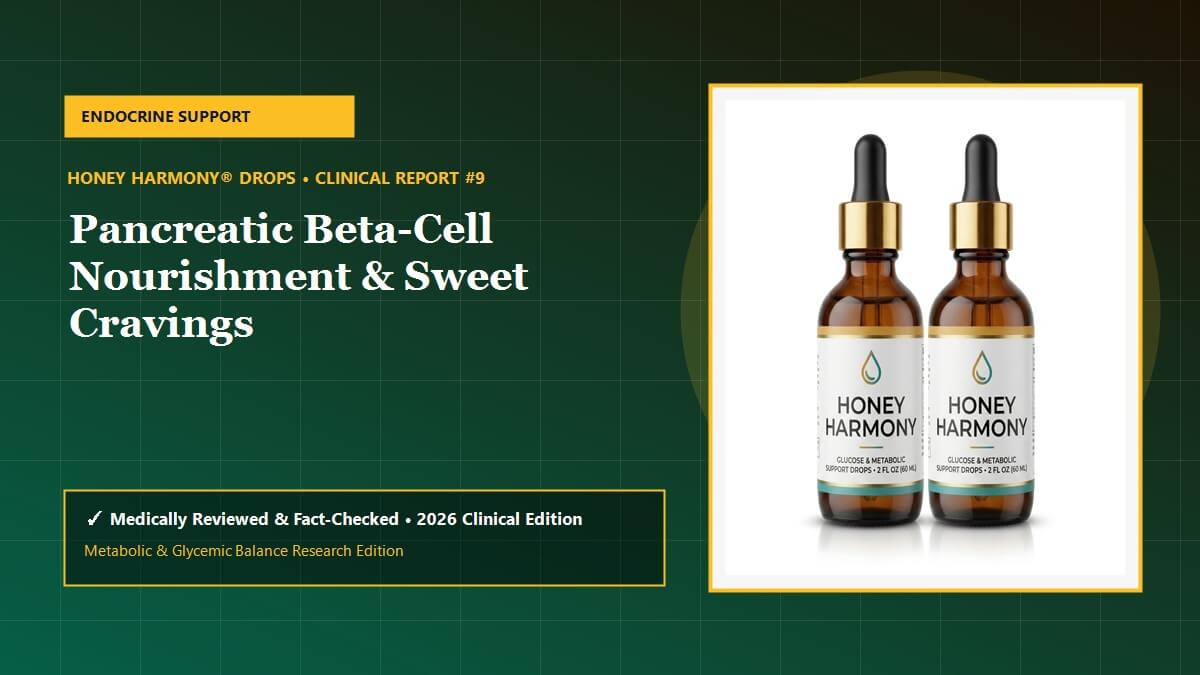
🔬 Key Clinical & Consumer Takeaways
- AMP-activated protein kinase (AMPK) acts as the master fuel sensor inside every human cell—determining whether dietary carbohydrates are burned as ATP energy or stored as visceral fat.
- Berberine HCl and Alpha Lipoic Acid activate AMPK while Chromium Picolinate amplifies insulin receptor tyrosine kinase activity by up to 3-fold in vitro.
- African Mango (Irvingia gabonensis) complements glucose transport by supporting healthy leptin and adiponectin hormone signaling*.
1. What Is AMPK and Why Does It Decline After Age 40?
Inside your skeletal muscle, liver, and adipose cells sits an enzyme called AMP-activated protein kinase (AMPK). In your twenties, AMPK turns on rapidly whenever you walk, fast, or exercise—pulling glucose out of the bloodstream via GLUT4 transporters and oxidizing fatty acids inside mitochondria.
After age 40, sedentary work, chronic stress, and refined carbohydrates blunt AMPK activity. Glucose lingers in circulation while cells feel starved for energy.
2. How Honey Harmony® Targets 4 Metabolic Checkpoints
Checkpoint 1 — Intestinal Alpha-Glucosidase Moderation: White Mulberry Leaf and Bitter Melon slow down starch breakdown in the small intestine.
Checkpoint 2 — Lingual & Beta-Cell Support: Gymnema Sylvestre calms sweet taste receptors and nourishes pancreatic islet cells.
Checkpoint 3 — Insulin Receptor & GLUT4 Amplification: Chromium Picolinate and Ceylon Cinnamon polyphenols help unlock cellular glucose doors.
Checkpoint 4 — Mitochondrial AMPK Oxidation: Berberine HCl and Alpha Lipoic Acid switch on clean intracellular energy production*.
For additional clinical context, explore our 8-Ingredient Monograph, compare delivery mechanisms on How Sublingual Drops Work, or browse all 60 answers in our Interactive FAQ Encyclopedia.
Frequently Asked Questions on This Topic
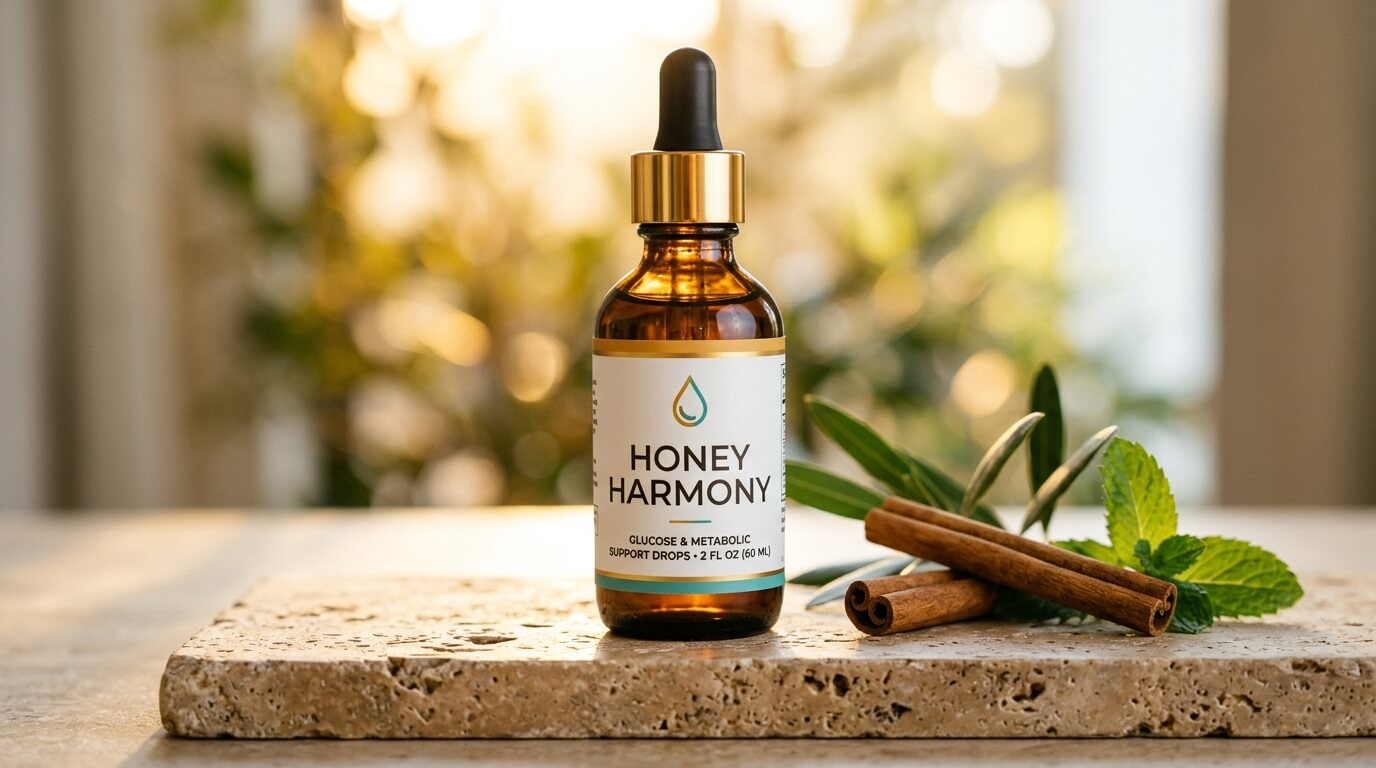
Ready to Experience Honey Harmony® Drops Risk-Free?
Save up to 70% ($49/Bottle on the 6-Bottle Pack) with Free Express Shipping, 2 Free Bonuses, and our 60-Day Money-Back Guarantee.